

resources + downloads
Welcome to the Roots to Blooms RESOURCES page. Consider this an all access pass to the inner workings of Traditional Chinese Medicine (TCM) and Traditional East Asian Medicine (TEAM) theory.
This space is your front row seat to a deeper look into my work, my approach to acupuncture, herbs, and nutrition, and the everyday practices that support feeling well.
Take what resonates, come back when you’re curious, and feel free to dig in.
recent articles:
Understanding Chinese Medicine: The Five Elements, Explained
Chinese medicine looks at the body through the lens of five elements—each connected to different organs, emotions, and patterns in the body. This is a simple starting point to help you understand how it all works.
I get asked a lot, “What does that point do?” as I’m placing pins into patient bodies.
I do my best to give a quick and simple answer, but there is much Traditional Chinese Medicine (TCM) or Traditional East Asian Medicine (TEAM) theory behind my point prescriptions. Yes, each point has its own functions, but when paired with other points those functions can slightly change, as all of the selected acupuncture points work synergistically, stronger than the individual points.
As much as I try not to use confusing or overly technical language in the treatment room, sometimes there is no way to translate my TCM or TEAM lexicon into terms that relate to western medicine or layman’s terms, or a patient has been given their TCM diagnosis by a previous acupuncturist who told them they have “Liver Qi Stagnation” or “Spleen Qi Deficiency” without further explanation.
The patient now thinks they need to have their liver enzymes checked or their immune system isn’t functioning properly, so I give a brief rundown of how an “organ” functions, what those TCM terms mean, and what I’m treating. Even then, some people still think that when an acupuncturist says, “kidney,” they are talking about the pair of organs that filter waste and create urine.
So let’s clear up the TEAM definitions of the five yin or zang organs.
METAL
reflection, change, death
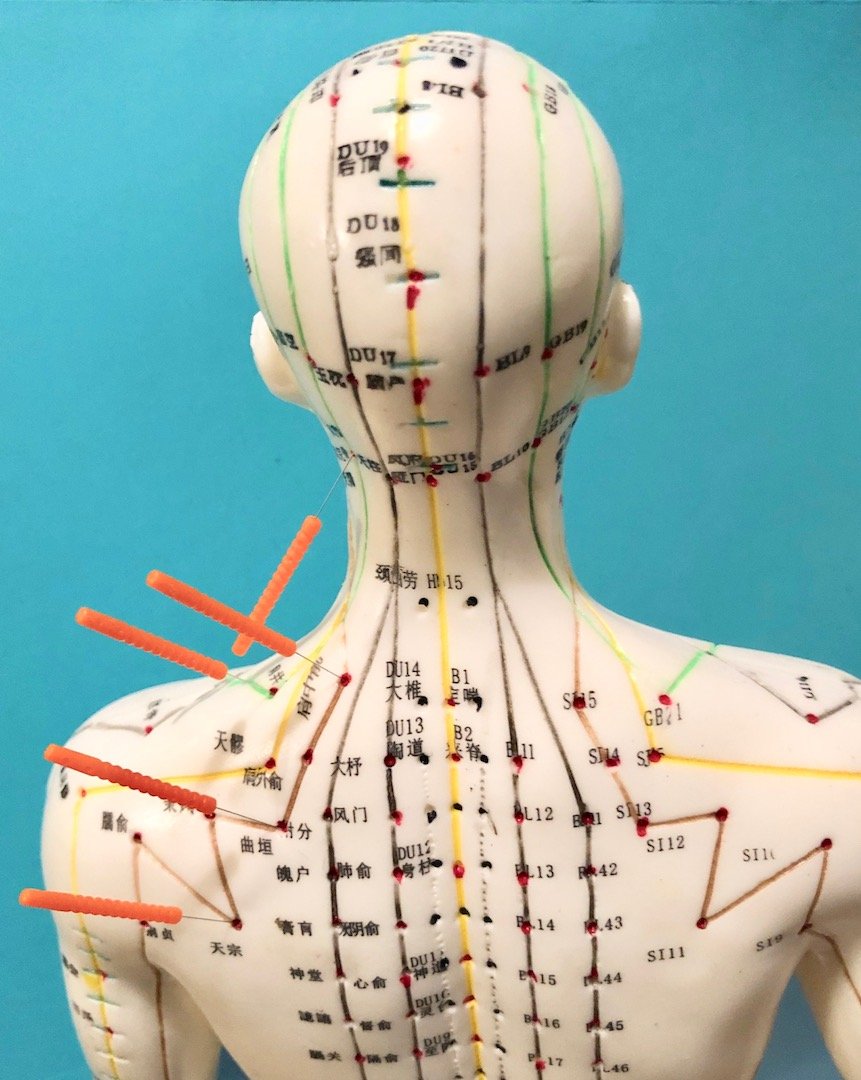
The basic tenets of TCM are rooted in Daoist philosophy, using the principles of yin and yang to interpret natural phenomena. Daoism views humans as between heaven and earth, a part of nature and dependent on nature’s processes. This is why, at certain times of the year, I see patterns among the pathologies in the treatments room.
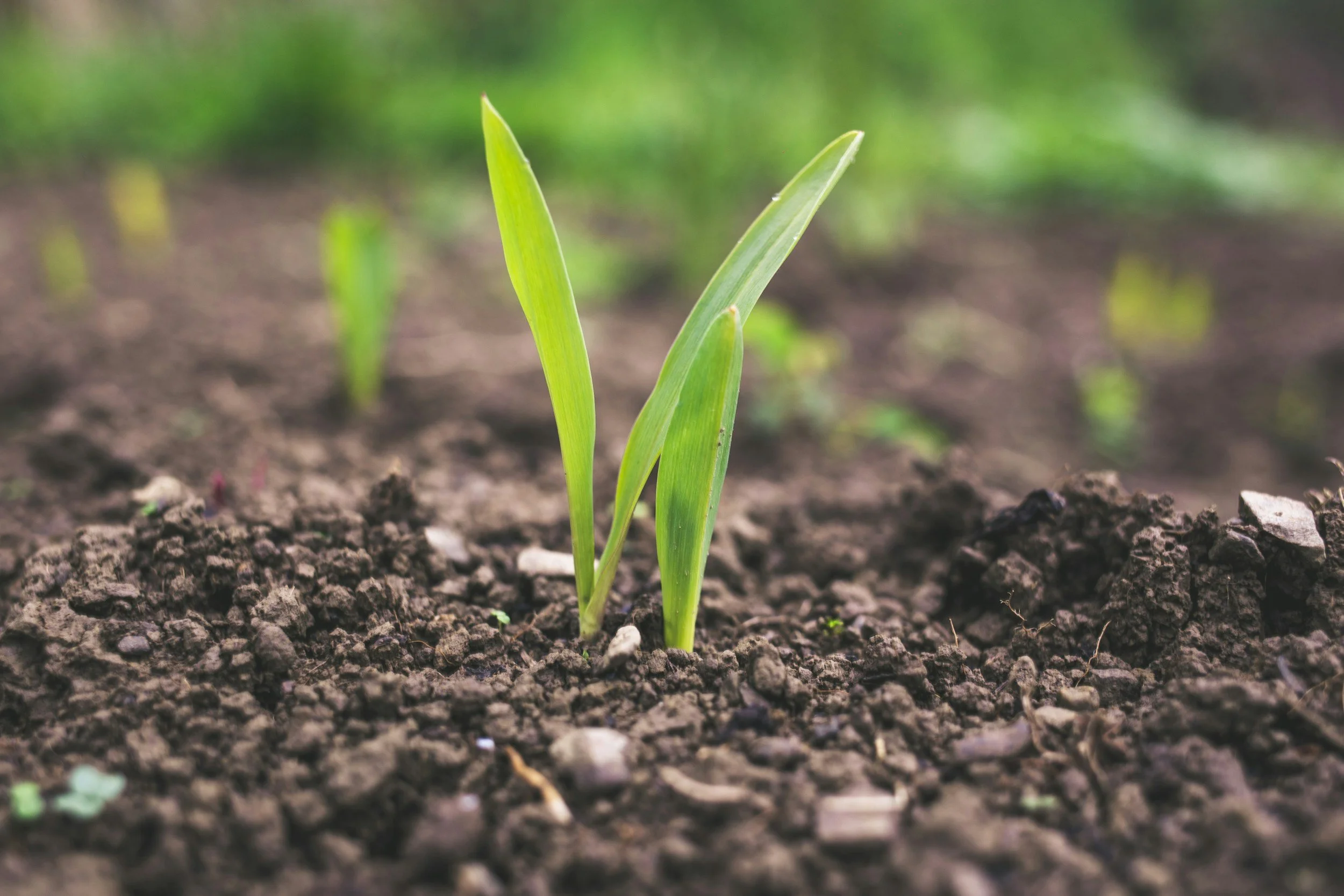
For example, in spring I see a lot of patients with neck and upper shoulder pain, or patients feeling frustrated or more stressed. Spring is the time of rebirth, renewal, and in TEAM, the “liver”, which governs tendons, is ascribed the emotion of anger, and whose action is to oversee the free flow of qi, blood, and body systems. In spring, nature is awakening with seeds and leaves pushing upward and outward in growth and expansion. This does not happen without some friction and stress, just like human growth.
I use quotation marks when describing TCM “organs" because these organs were named before the evolution of modern medicine and surgery, and their meanings are more poetic than scientific. But this does not mean that there is no overlap in their TCM and allopathic medicine functions. In fact, TCM assigned functions to organs that Western medicine deemed incorrect, but it was later discovered that the lungs do in fact play a part in the formation of blood, and the newly discovered interstices relates to the san jiao system.
The Daoist model of the five phases, or elements, is an extension of the yin and yang principles. The entire emotional, physical, spiritual, and energetic phenomena of the universe can be described in these five phases. The phases do not exist separate from each other, but work in cycles engendering, restraining, and at times overwhelming each other.
FIRE
heat, flare-up, upbearing
EARTH
fertility, harvest, stability
WATER
flow, clarity,
birth
WOOD
growth, bending, expansion
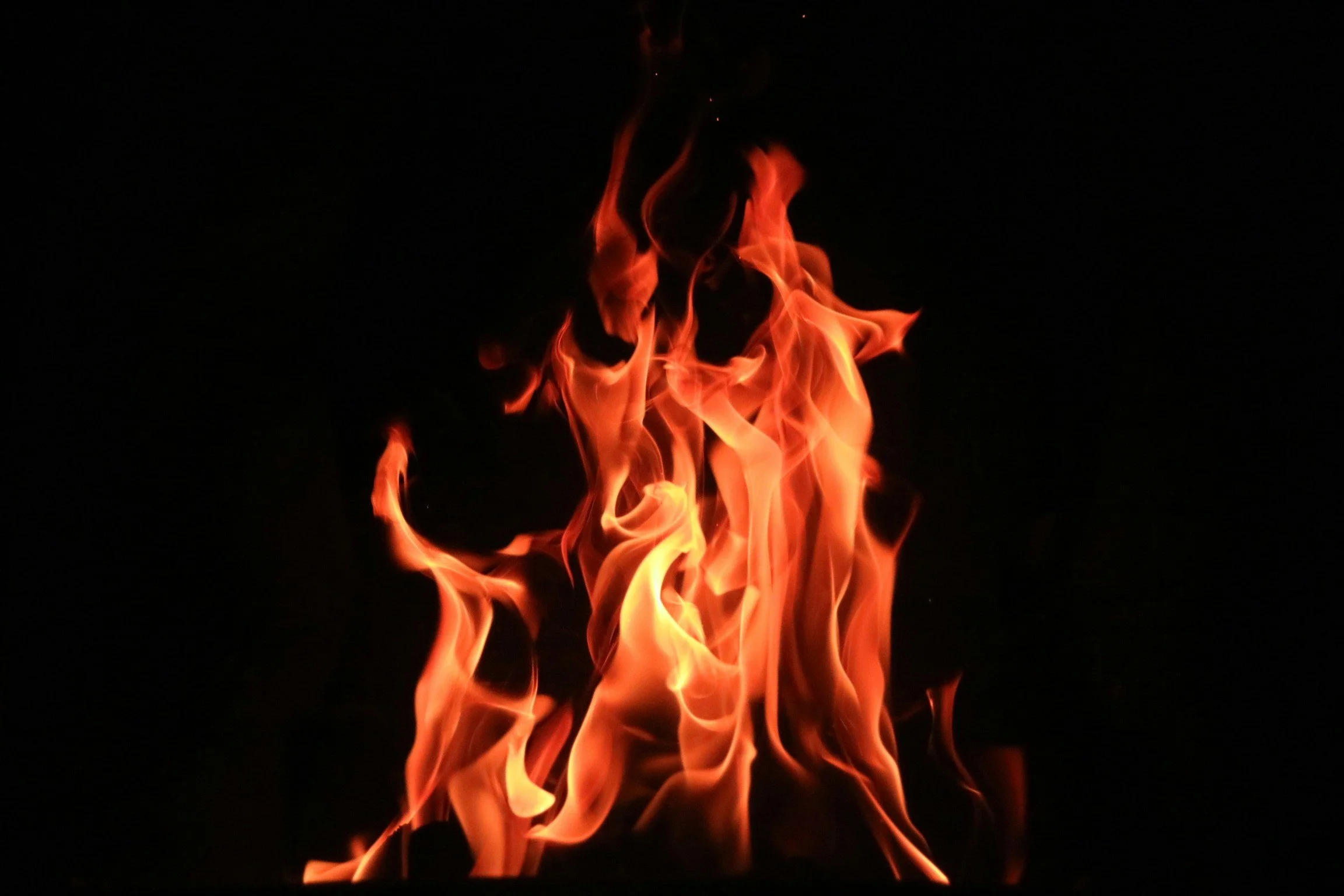
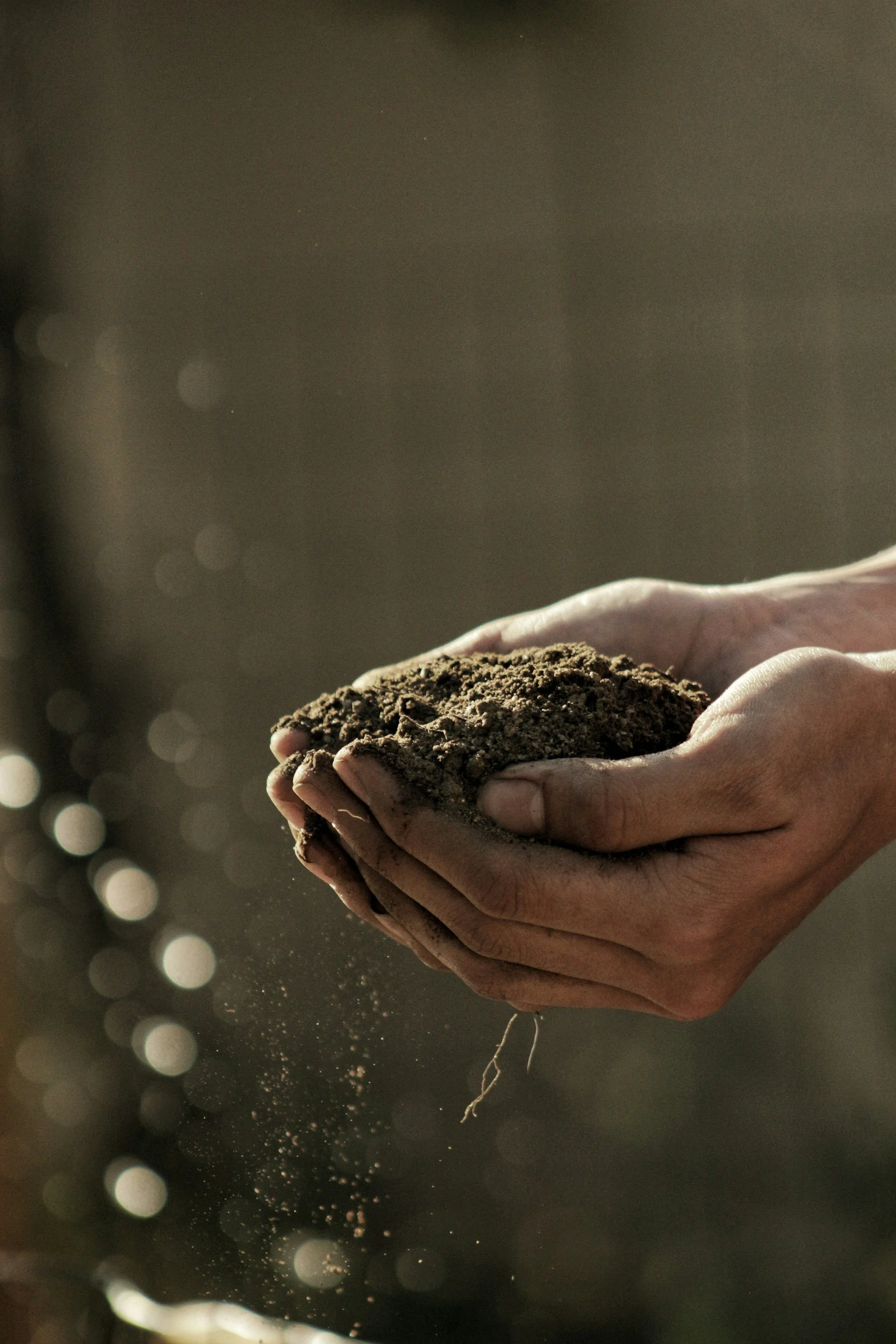
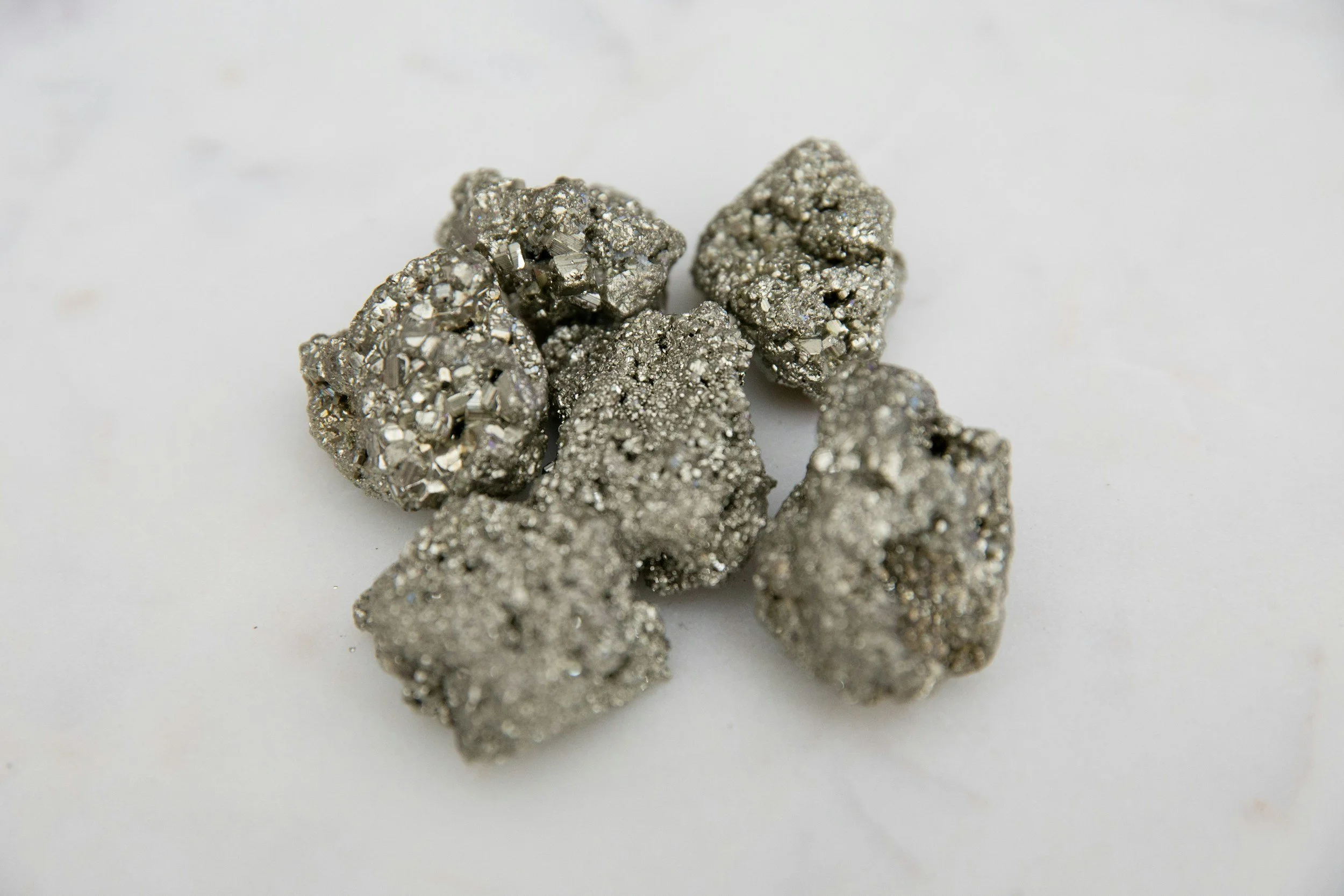

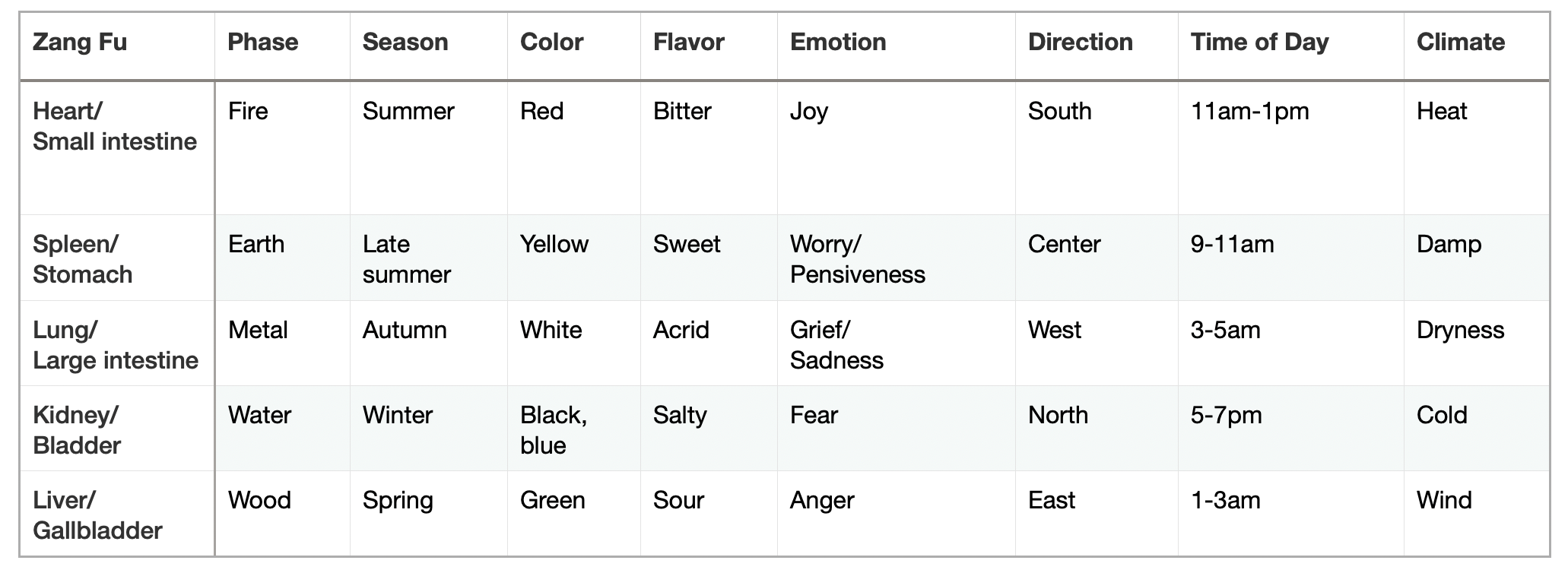
Each element has a season, color, emotion, sound, taste, flavor, body part, etm. I use this information, along with tongue and pulse observation, to diagnose, treat, and prescribe foods and herbs to my patients.
A tenet of Traditional Chinese Medicine is being healthy means being in tune with the seasons. This means eating seasonal foods, doing or avoiding activities, and taking precautions to avoid disharmony with nature. During the winter, the body’s energy naturally wants to retract and rest, yet many New Year’s resolutions involve starting a new, intense exercise routine and dieting. Why do so many have difficulty maintaining their resolutions? Because they are not in tune with the energy of the season; they are forcing the body to be too active when it naturally wants to rest. In winter take casual walks and do restorative exercise like stretching and yoga. When spring arrives, start the vigorous walks, exercise machines, and heavy weights. The energy of the season supports this.
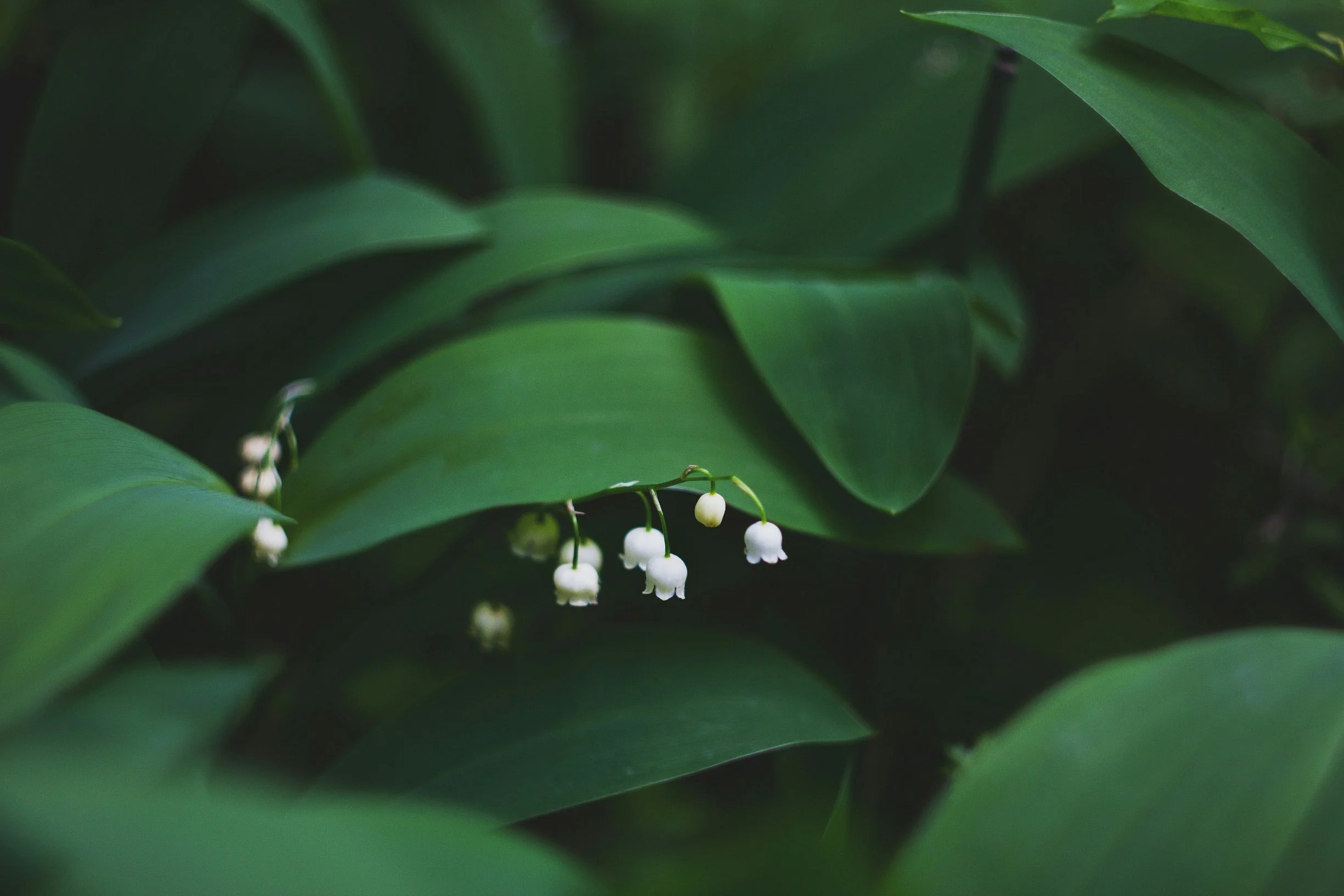
Spring
LIVER
TCM Role:
Governs free coursing of qi
Stores blood
Stores the ethereal soul
Governs muscle and sinews
Governs strategic planning
Opens at the eyes and nails
Among the liver pathologies are liver depression qi stagnation (liver qi stagnation), liver yang rising, and liver blood deficiency (vacuity).
Emotions such as anger and rage immediately block qi flow resulting in liver qi stagnation. Symptoms include muscle tension, PMS, feeling of oppression, and chest tightness. A hectic and stressful lifestyle produces liver heat and impairs liver function. Here, I’d like to remind you this means the liver’s roles mentioned above, not the liver’s function in Western medicine.
Liver yang rising can manifest as headaches, high blood pressure, ear ringing, and vertigo. Symptoms of liver blood deficiency include anemia, blurred vision, dry eyes, tremors, numb extremities, and paleness. Qi obstruction or stagnation can be resolved with acupuncture, diet therapy, and movement.
The liver and gallbladder system benefit from foods that calm the liver and nourish the blood like black sesame seeds, vinegar, sprouts, dandelion, cucumber, yogurt, poultry, and eggs. Avoid overly warming food and beverages like coffee and high proof alcohol, excessive consumption of meat and sweets, and spicy foods.
-
Makes one serving.
Ingredients:
1/2 cup cooked chicken, cut up
1/2 cup cooked rice (black rice preferred)
Approximately 2 inches of cucumber, sliced
1/2 avocado, sliced
2 Tablespoons fresh cilantro leaves
1 hard boiled egg, sliced
1 Tablespoon coconut aminos
1Tablespoon mirin rice wine vinegar
1 Tablespoon sesame oil
1 Tablespoon chopped peanuts
1 teaspoon black sesame seeds
Directions:
Warm the cooked chicken and rice. Place the cooked chicken and rice in a bowl. Add the sliced cucumber, avocado, egg, and cilantro. Combine the coconut aminos, mirin, and sesame oil, then pour over the chicken, rice, and veggie bowl. Sprinkle with chopped peanuts and sesame seeds.
Summer
HEART
TCM Role:
Governs blood and blood vessels
Governs circulation of blood
Houses spirit
Opens at the tongue and governs speech and sense of taste
Some heart pathologies include heart qi vacuity, heart blood vacuity, and heart fire flaming upward.
Symptoms of heart qi vacuity include fatigue, exhaustion, shortness of breath, sometimes racing heart with sensation of extreme heart beats, and spontaneous sweating. Heart blood vacuity includes heart palpitations, forgetfulness, easily startled, dizziness, trouble falling asleep, nightmares, sleep disturbance with many dreams. Heart fire flaming upward can arise as anxiety, inner restlessness, emotional instability and impulsiveness, red face, canker sores, and sleep disorders with nightmares.
The heart and small intestine systems benefit from red foods like goji berries, beets, cherries, and red grapes; salads and cooling foods during the summer, and warm foods in winter. Avoid overly spicy and hot foods, and preparing foods in a way that adds excess heat like grilling.
-
Makes one serving.
Ingredients:
1 cup fresh watermelon, sliced
Approximately 2 inches of cucumber, sliced
1 Tablespoon fresh mint leaves
Drizzle balsamic vinegar glaze
Optional: 1/4 cup feta cheese
Directions:
Mix together the watermelon, cucumber, mint leaves, and feta cheese if using it. Drizzle with balsamic glaze.

Late Summer/Early Autumn
SPLEEN
TCM Role:
Governs transformation, transportation, and processing of food and energy
Governs muscles and extremities
Opens at mouth and lips
Governs upbearing qi, keeps the organs in place
Houses the mind
Keeps blood in the blood vessels
Some Spleen pathologies include spleen qi deficiency, stomach food stagnation, and stomach yin vacuity.
Spleen qi deficiency is one of the most common presentations with symptoms that include chronic fatigue, slow wound healing, exhaustion, lack of appetite, weak lips, pale complexion, unformed stool, craving sweets, and excess mucus and phlegm. Food stagnation in the stomach often occurs with excessive food intake like holiday feasts and big dinners. Symptoms include nausea, vomiting, burping, sour reflux, bad breath, no appetite, and bloating relived by vomiting. Stomach yin vacuity is caused mostly by a poor diet but also excess heat in the stomach. Its symptoms include dry mouth, dry constipation, being thirsty but not wanting to drink, bloating after eating, lack of appetite, feeling hot in the afternoon, and pain in the epigastric (solar plexus) area.
The spleen and stomach systems benefit from foods such as poultry, cooked vegetables, grains, and certain types of dried fruit. Choose sweet potato, carrots, shellfish, ginger, pistachios, raw honey, nutmeg, and vanilla. Avoid overly cooling foods, raw foods, too much fruit, cold beverages, excessive dairy, refined sugar, fried foods, and eating while distracted.
-
Ingredients:
1 tablespoon avocado oil
3 cloves garlic, peeled and minced (or prepared from jar or tube)
1 tablespoon ginger paste (from jar or tube)
1 tablespoon lemongrass paste (Gourmet Garden has one)
1 quart chicken stock
2 cans unsweetened coconut milk
8 ounces fresh shiitake or cremini mushrooms
1 pound medium or large shrimp, peeled and tails removed, either precooked or raw
1 8-ounce chicken breast, cut into thin 2-inch strips
2 tablespoons brown sugar
2 teaspoons fish sauce
Salt, to taste if nedded
For garnish: lime wedges, fresh cilantro leaves, sesame chili oil
Directions:Heat oil on medium-high in a large soup pot. Add garlic, ginger, and lemongrass. Cook until fragrant, about 2 minutes.
Add chicken stock to pot. Add chicken strips and mushrooms. Bring to a boil. Turn heat down to medium and simmer 10 minutes or until chicken is cooked through.
Add coconut milk, brown sugar, and fish oil.
If using raw shrimp, add and simmer 8 minutes. If using cooked shrimp, add and heat for 2 minutes.
Serve garnished with cilantro, a drizzle of sesame chili oil, and a squeeze of lime. Serve with a side of white rice for even more spleen benefits.

Autumn
LUNG
TCM Role:
Governs diffusion and downbearing
Dominates qi and governs breathing
Houses the corporeal soul
Oversees regulation of waterways
Opens at the nose
Governs skin, sweat glands, pores, and body hair
Among the pathologies of the lung are lung qi vacuity, lung yin vacuity, and phlegm-damp obstructing the lung.
Lung qi vacuity symptoms include shortness of breath, soft voice, catches colds easily, recurring respiratory infections, pale complexion, and easily exhausted. Phlegm-damp obstructing the lung can cause coughs that produce various colored sputum depending on the accompanying pathogen like cold or heat, asthma, chest tightness, and headaches. Lung yin vacuity creates general dryness, but especially dry cough, dry mouth and throat, hoarse voice, five centers heat, night sweats, sore throat, a pale face with red cheeks, and reddening cheeks in the afternoon or evening.
The lung and large intestine systems benefit from foods that molten the lung and support the spleen without causing excessive phlegm such as pears, tangerines, asparagus, dandelion naan cabbage, rice, rye, fresh ginger, almonds, and walnuts. Avoid dairy, overly sweet foods, alcohol, bananas, and junk food.
-
This recipe takes some preparation and provides a breakfast that benefits the lungs, stomach, and intestines.
Ingredients:3 pears, cut into several pieces
1 teaspoon cinnamon
4 thin slices of ginger, sliced into smaller pieces
1/3 cup roasted cashews
Directions:
Heat oven to 375 degrees.
Add pears to a baking dish with a lid.
Sprinkle the pears with the cinnamon, then add the ginger and cashews.
Add approximately 2 Tablespoons of water to the baking dish, cover the dish, and bake for 20 minutes.
Pour one half cup of cinnamon cashew pears over 1/2 to 1 cup of your favorite prepared oatmeal.

Winter
KIDNEY
TCM Role:
Stores essence
Governs birth, growth/development, reproduction, and aging
Governs qi absorption
Governs water
Stores memory
Governs willpower
Opens to teeth and bones
The kidney system only develops vacuity patterns, the most popular ones seen clinically are kidney qi vacuity, kidney yang vacuity, and kidney yin vacuity.
Kidney qi vacuity symptoms include fatigue, easily tired, fears, depression, lethargy, feeling weak with low back pain, incontinence, frequent urination, bed wetting, impotence, and premature ejaculation. Kidney yang deficiency symptoms include all kidney qi vacuity symptoms plus sensitivity to cold, feeling cold in the lower back and knees, knee pain, withdrawal, excessive urination at night, decreased libido, fertility disorders, hearing loss, ringing in the ears, morning diarrhea, lack of appetite, and soft stools. Kidney yin vacuity has all the symptoms of kidney qi vacuity plus heat symptoms such as fluid deficiency, agitation, red cheeks, dry mouth, night sweating, forgetfulness, premature aging, and mental sluggishness.
The kidney and bladder systems benefit from foods like fish, game, lentils, oats, cooked root vegetables, black pepper, garlic, wheat, walnuts, and black sesame. Avoid cold and frozen food in general, salads, refines sugar, and alcohol.
-
Prep time: 45-60 minutes | Makes: 4 servings
Ingredients:
3 Tablespoons avocado oil
1 large onion, chopped
2 cloves garlic, minced
1 Tablespoon tomato paste
1 teaspoon ground cumin
¼ teaspoon kosher salt, more to taste
¼ teaspoon ground black pepper
Pinch of ground chile powder or cayenne, more to taste
1 quart chicken or vegetable broth
2 cups water
1 cup red lentils
1 large carrot, peeled and diced
Juice of ½ lemon, more to taste
3 tablespoons chopped fresh cilantro
Olive oil for drizzle
Directions:
In a large pot, heat 3 Tbsp oil over high heat until hot and shimmering. Add onion and garlic and sauté until golden, about 4 minutes.
Stir in tomato paste, cumin, salt, black pepper, and chili powder or cayenne, and sauté for 2 minutes longer.
Add broth, 2 cups water, lentils, and carrot. Bring to a simmer, then partially cover pot and turn heat to medium-low. Simmer until lentils are soft, about 30 minutes. Taste and add salt of necessary.
Using an immersion blender, regular blender, or a food processor, puree half the soup then add it back to the pot. Soup should be somewhat chunky.
Serve soup with a drizzle of olive oil, squeeze of fresh lemon juice, and fresh chopped cilantro.